
Insurance Will Pay. But Only What You Remember to Claim.
Document everything you own before disaster strikes — so if the worst happens, you recover every dollar you're owed instead of rebuilding your inventory from memory.
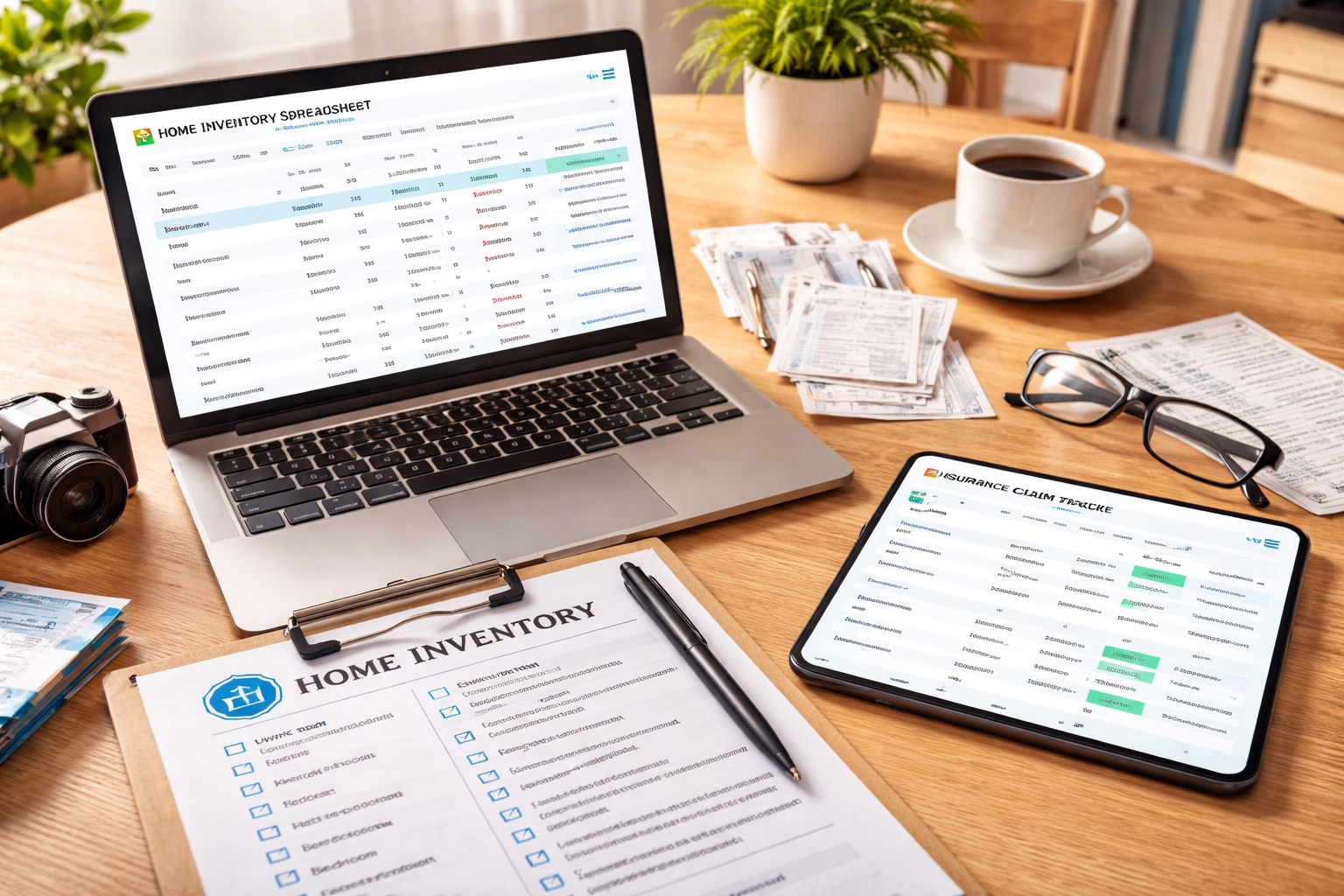
The WardKeep System™ takes you from first photo to final payout in three steps — the same three steps whether you use the workbook or the apps.

WardKeep Snap — Capture the Proof, Before You Need It
Snap photos and videos of everything you own to build a visual record of your home — so if the worst happens, you have proof for every item, not just what you can remember.

WardKeep Detail — Your Complete Home Inventory
Log each item's name, description, purchase location and price, and condition — pulling photos straight from WardKeep Snap. One record to confirm what's actually insured, prep for a will or trust, and know your home's true value.

WardKeep Recovery — File It, Track It, Get Paid
Turn your WardKeep Detail inventory into a ready-to-submit claim, then manage every follow-up and supplemental claim until it's settled.
One System. Three Simple Steps.
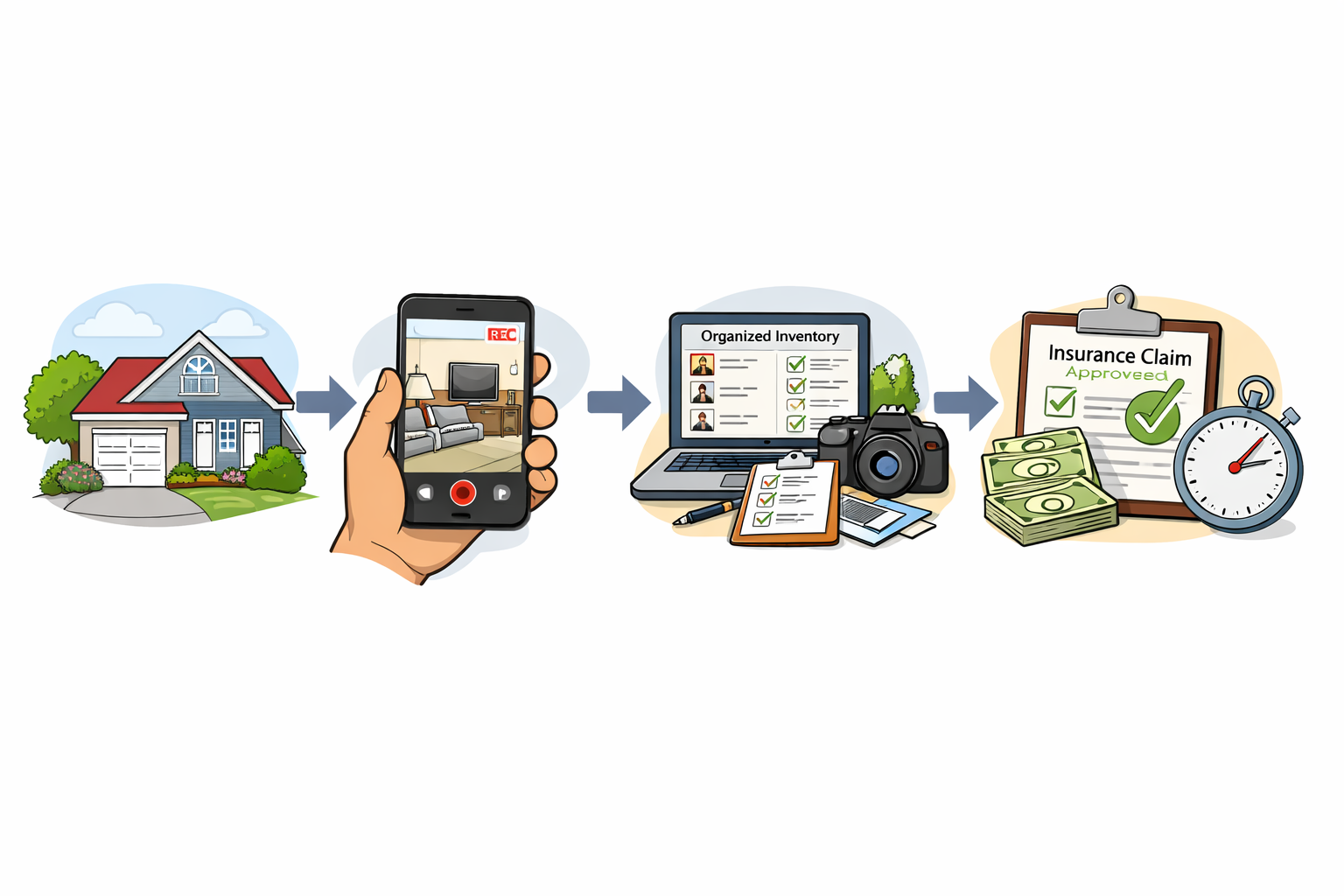
Here's how the system works, step by step:
1️⃣ WardKeep Snap™ · Capture — walk room to room and photo/video every item so nothing gets forgotten
2️⃣ WardKeep Detail™ · Organize & Value — turn photos into an organized inventory with values, receipts, and serial numbers
3️⃣ WardKeep Recovery™ · Recover — generate a claim-ready record in minutes, track depreciation and expenses, and get paid faster
Most Homeowners Rebuild Their Inventory From Memory. That's Where the Money Gets Lost.
After a fire, storm, or theft, your insurer asks for a room-by-room, item-by-item list of everything you lost — often hundreds, sometimes thousands of items. Descriptions, purchase prices, ages, brands, condition. Recreating all of that from memory, right after losing everything, is exhausting — and every item you forget is money you don't get back.
That list often includes:
- •Room-by-room inventory
- • Item descriptions
- • Estimated purchase price
- • Age of item
- • Brand or model when known
- • Condition before the loss
Insurance adjusters or inventory specialists may help guide the process, but the information still must come from the homeowner.
And when you’re doing it after losing everything, it becomes overwhelming.
Many people realize too late that:
- • They don’t remember everything they owned
- • They don’t have photos or receipts
- • Important items are forgotten
If something isn’t included in the claim inventory, it may require a claim amendment later — and without documentation, it can be harder to verify.
If it's not on the list, it may never be reimbursed.
WARDKEEP SNAP™
Capture
Walk room to room with your phone. Photo and video every item so nothing gets forgotten. Guided room templates make sure you don't miss a closet, cabinet, or drawer.
Capture:
- Rooms
- Closets
- Cabinets
- Electronics
- Furniture
- Appliances
- Tools
- Valuable items
No spreadsheets required.
Just walk, record, and narrate.

WARDKEEP DETAIL™
Organize & Value
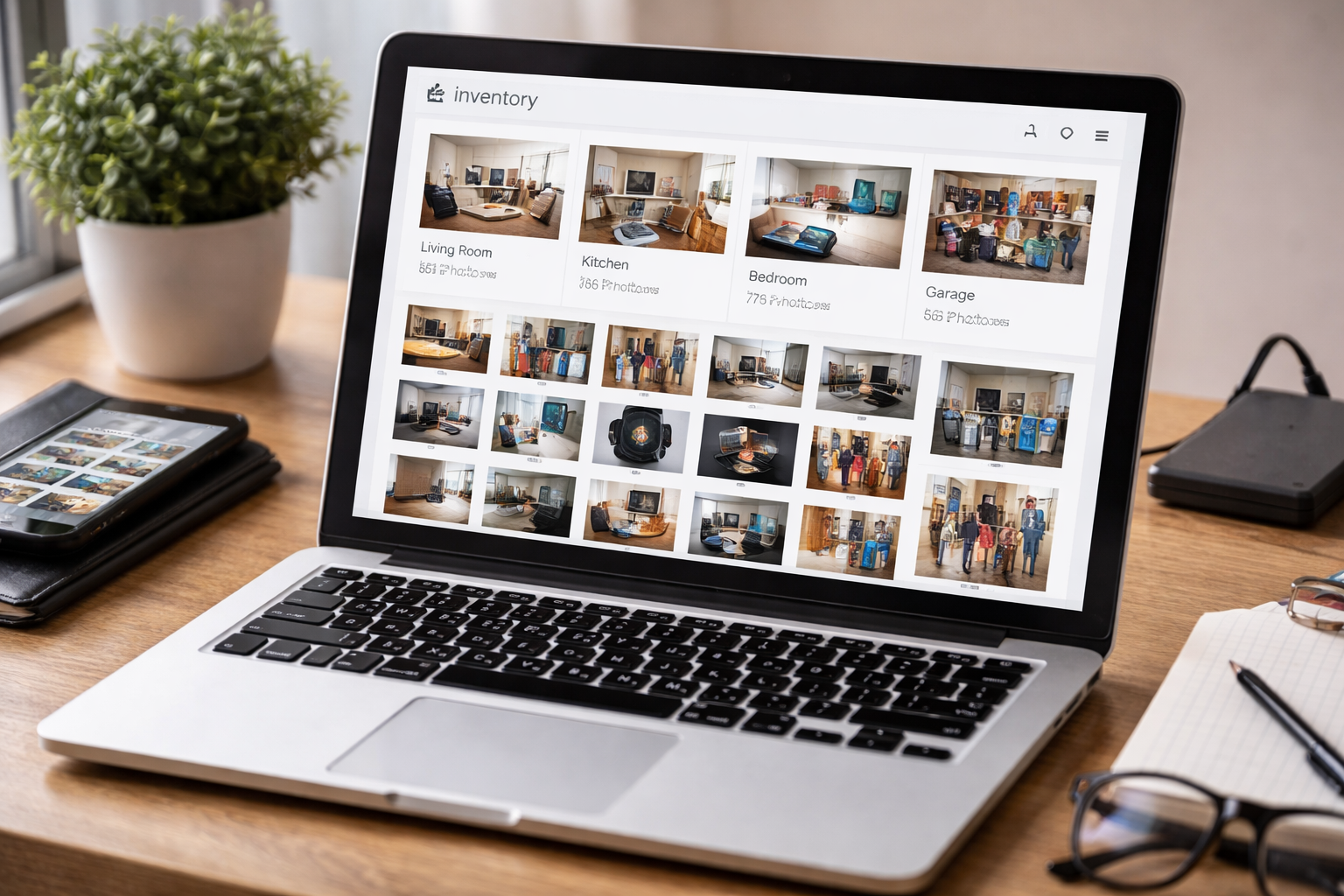
Turn those photos into an organized inventory — descriptions, locations, values, and proof like receipts and serial numbers. Built-in ValueGuard™ helps you pin down accurate replacement values so nothing is under-counted.
WardKeep Detail helps you create an organized inventory that includes:
- Room location
- Item description
- Estimated value
- Brand or model
- Photos or receipts
Perfect for - high-value homes
- collectibles
- electronics
- Jewelry
- Tools and equipment
WARDKEEP RECOVERY™
Recover
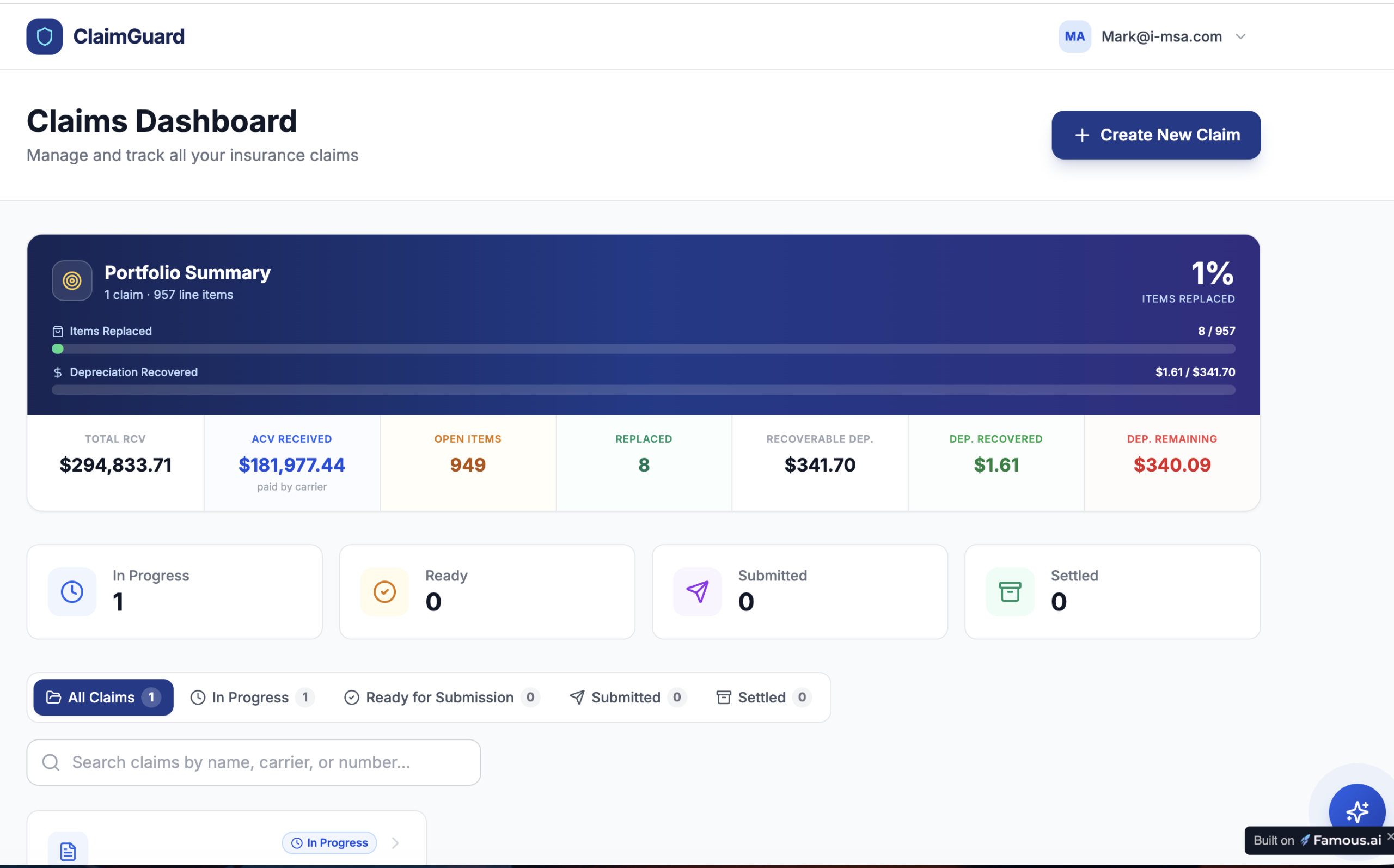
If disaster strikes, generate a claim-ready record in minutes. Submit clearly to your insurer, track depreciation and living-expense receipts, and get paid faster.
- Replacement receipts
- Insurance line-item numbers
- Depreciation recoverable items
- Additional living expense receipts
Everything is organized so you can submit information clearly to your insurance company.
Why I Built WardKeep
I built the WardKeep System™ after living through something most homeowners never expect — a total-loss house fire. In the aftermath, once my family was safe, another job began: the insurance company needed a detailed inventory of everything we'd lost. Room by room. Item by item. Furniture, electronics, kitchen things, clothing, tools, and hundreds of small belongings I hadn't thought about in years. Trying to remember it all — where I bought it, how old it was, what I paid — after losing my home was exhausting and emotional. And I knew things were slipping through the cracks. That experience made one thing clear: almost no one documents their home until it's too late. WardKeep exists so other families never have to face that moment unprepared.
You may never need it.
But if you ever do, you’ll be grateful you took the time to prepare.
Learn the Full WardKeep Method
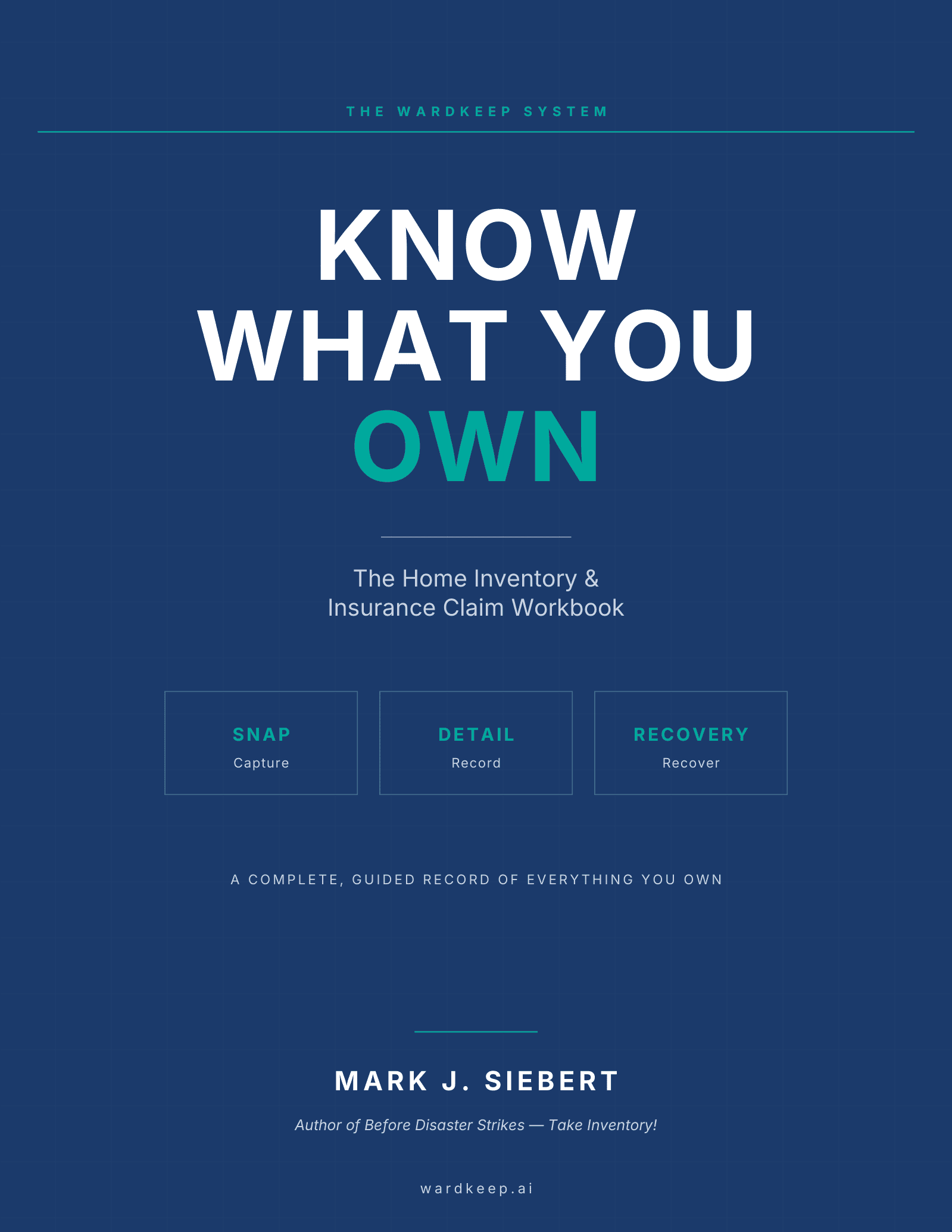
The complete system, explained step by step, in Know What You Own. Inside, you'll learn how insurance inventories actually work, how to document your entire home in a single day, how to organize your records, and exactly what to do if a disaster ever happens.
- How insurance inventories work
- How to document your home in one day
- How to organize your records
- What to do if a disaster actually happens
Know the Terms Before You Need Them
A quick glossary so the claims process never catches you off guard:
- Replacement Cost
The amount it would cost today to replace an item with a similar new item. - Depreciation
A reduction in value based on the item’s age, wear, and condition. - Actual Cash Value (ACV)
The item's value after depreciation is applied. - Recoverable Depreciation
In many policies, the insurance company may initially pay the depreciated value.
Once the item is replaced and receipts are submitted, the remaining depreciation may be paid. - Additional Living Expenses (ALE)
If your home becomes unlivable after a covered loss, insurance may cover certain temporary living expenses such as housing, meals, and related costs.
Articles, Tools, and Templates

Household Items List for Insurance Claims: The 2026 Kansas City Recovery Guide
Your memory is your most expensive liability. After a disaster strikes Kansas

The 2026 Digital Home Inventory Spreadsheet: Protect Your Assets and Recover Your Losses
Most homeowners assume a list of their belongings is enough to satisfy

The Best House Inventory App for 2026: Why Narrative Documentation Wins Claims
Your insurance company isn’t looking for a list; they’re looking for proof.

Best Home Inventory App for 2026: Proven Tools for Insurance Recovery
Your memory is your biggest financial liability when disaster strikes. Industry research

Home Inventory Protection: The Pragmatic Guide to Asset Recovery in 2026
If a total loss occurred tomorrow, could you recall the brand, age,

WardKeep Snap KC: The High-Speed Video Home Inventory App Guide for 2026
Could you list every item in your kitchen junk drawer from memory